Introduction to Bunker Security Systems
Imagine being safe and secure in a bunker, knowing that your bunker security systems are working tirelessly to protect you from harm. Bunker security systems are crucial for safeguarding valuable assets and human life, especially in today’s world where threats can come from anywhere. For instance, a recent event highlighted the importance of having a reliable security system in place, as a bunker was breached due to a faulty alarm system, resulting in significant losses. In this article, we will cover the key aspects of bunker security, including types of security systems, potential threats, and strategies for maintaining and testing these systems.
We will explore the world of bunker security systems, discussing the various types of systems available, such as biometric, intrusion detection, and surveillance systems. We will also examine the importance of customizing security systems to specific bunker needs and environments, and provide guidance on assessing your security needs, including evaluating bunker location and identifying vulnerable points.
Understanding Bunker Security Systems
What Is a Bunker Security System
A bunker security system is like the immune system of your bunker, working to detect and prevent potential threats. It is composed of various components, including sensors, alarms, and monitoring equipment, all working together to provide robust security. The evolution of bunker security systems has been significant, from basic to advanced, with key milestones and innovations, such as the introduction of biometric authentication and artificial intelligence-powered surveillance.
For example, a bunker security system can be compared to a layered defense mechanism, with each layer providing an additional level of protection. The system can be customized to meet the specific needs of the bunker, taking into account factors such as the location, size, and purpose of the bunker. This customization is crucial in ensuring that the security system is effective in preventing breaches and protecting the occupants and assets.
Types of Security Systems
There are various types of security systems used in bunkers, each with its unique benefits and applications. Biometric security systems, for instance, use unique physical characteristics, such as fingerprints or facial recognition, to authenticate individuals. Intrusion detection systems, on the other hand, use sensors and alarms to detect and deter potential intruders. Surveillance systems, including cameras and monitoring equipment, provide visual deterrence and forensic evidence.
A case study of a bunker that implemented a biometric security system found that the system was highly effective in preventing unauthorized access. The system used facial recognition technology to authenticate individuals, and it was able to detect and prevent several attempted breaches. This highlights the importance of choosing the right security system for your bunker, taking into account factors such as the level of security required, the number of occupants, and the budget.

Key Components Overview
The key components of a bunker security system include sensors, alarms, and monitoring equipment. Sensors detect potential threats, such as motion or intruders, and send signals to the alarm system, which alerts the occupants and security personnel. Monitoring equipment, such as cameras and surveillance systems, provide real-time monitoring and forensic evidence. Human oversight and intervention are also crucial in the security process, as they provide an additional layer of protection and can respond to security breaches.
A flowchart or diagram can be used to illustrate how these components work together to provide robust security. For instance, a sensor detects motion and sends a signal to the alarm system, which alerts the occupants and security personnel. The monitoring equipment provides real-time monitoring, and human oversight and intervention can respond to security breaches. This highlights the importance of integrating these components to ensure comprehensive security.
Threats Bunker Security Systems Address
Physical Intrusions
Bunker security systems are designed to prevent physical intrusions, such as forced entry and vandalism. A real-life scenario that highlights the importance of physical security is the breach of a bunker due to a faulty door and lock system. The breach resulted in significant losses and highlighted the need for robust physical security measures, such as reinforced doors and locks, and access control systems.
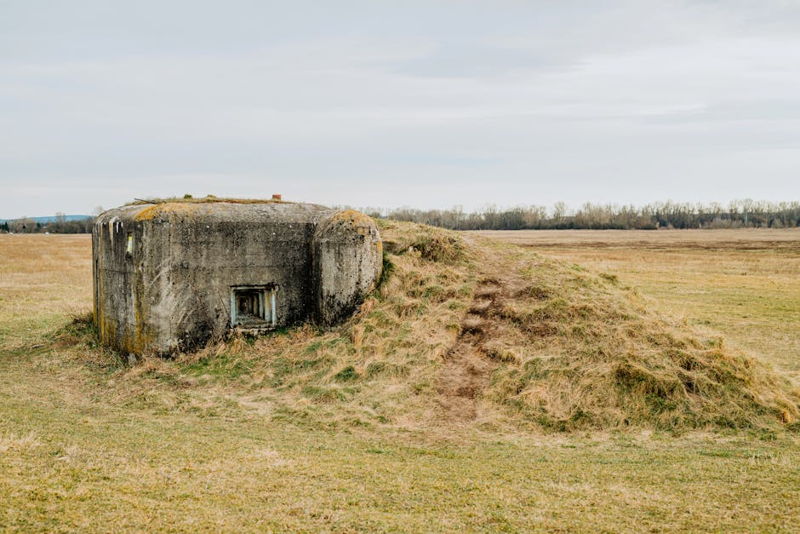
Layered security is a strategy used to deter physical intrusions, where multiple layers of security are used to provide an additional level of protection. For example, a bunker can have a perimeter fence, followed by a layer of surveillance cameras, and finally, a layer of access control systems. This layered approach makes it more difficult for intruders to breach the security system and provides an additional level of protection for the occupants and assets.
Environmental Hazards
Bunker security systems can also mitigate environmental hazards, such as flooding, fire, and gas leaks. A security system feature that addresses these hazards is water detection sensors, which can detect leaks and alert the occupants and security personnel. Regular maintenance is crucial in ensuring that the security system is effective in preventing environmental hazards.
For instance, a bunker that is located in a flood-prone area can have a water detection sensor installed to detect potential flooding. The sensor can send an alert to the occupants and security personnel, who can then take action to prevent or mitigate the flood. This highlights the importance of considering environmental hazards when designing and implementing a bunker security system.
Unauthorized Access
Unauthorized access is a significant threat to bunker security, and access control systems are critical in preventing it. Access control systems manage who can enter the bunker, and they can include keycard, biometric, and keypad systems. These systems can be integrated with other security systems, such as surveillance and intrusion detection, to provide comprehensive security.
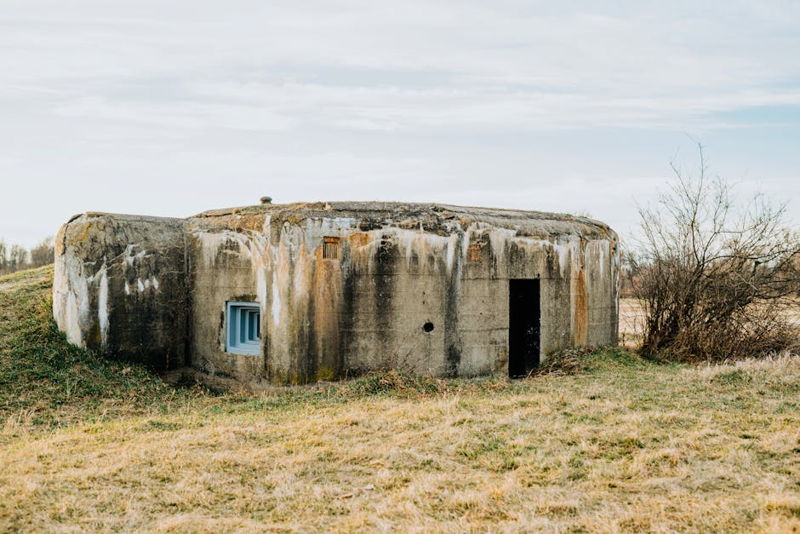
A case study of a bunker that implemented an access control system found that the system was highly effective in preventing unauthorized access. The system used a combination of keycard and biometric authentication to ensure that only authorized individuals could enter the bunker. This highlights the importance of choosing the right access control system for your bunker, taking into account factors such as the level of security required, the number of occupants, and the budget.
Assessing Your Security Needs
Evaluating Bunker Location
The location of a bunker is a critical factor in assessing security needs. Factors such as proximity to potential threats, accessibility, and environmental hazards must be considered. A threat assessment is a crucial step in evaluating security needs, as it helps identify potential threats and vulnerabilities.
For example, a bunker located in a remote area may require more robust security measures than one located in a secure facility. The threat assessment can help identify potential threats, such as intruders or environmental hazards, and provide guidance on mitigating these threats. This highlights the importance of considering the location of the bunker when designing and implementing a security system.
Identifying Vulnerable Points
Identifying vulnerable points in a bunker’s structure and systems is crucial in assessing security needs. A vulnerability assessment can help identify weaknesses in the bunker’s design, construction, or operation. A checklist or audit can be used to identify potential vulnerabilities, such as entry points, internal weaknesses, and system flaws.
A case study of a bunker that conducted a vulnerability assessment found that the assessment was highly effective in identifying potential vulnerabilities. The assessment identified several weaknesses in the bunker’s design and construction, which were then addressed to prevent breaches. This highlights the importance of conducting regular vulnerability assessments to ensure the security of the bunker.
Security Needs by Bunker Size
The size of a bunker is a significant factor in assessing security needs. Larger bunkers may require more robust security measures, such as additional surveillance cameras and access control systems. Smaller bunkers, on the other hand, may require more basic security measures, such as a single access control system.
For example, a large bunker may require a more advanced security system, including multiple surveillance cameras, motion detectors, and access control systems. A smaller bunker, on the other hand, may require a more basic security system, including a single access control system and a few surveillance cameras. This highlights the importance of considering the size of the bunker when designing and implementing a security system.
Perimeter Protection Strategies
Fencing and Barriers
Fencing and barriers are critical components of perimeter protection. A fence can provide a physical barrier to prevent intruders from entering the bunker. The material and design of the fence must be considered, as well as the integration with other security measures, such as surveillance and intrusion detection.
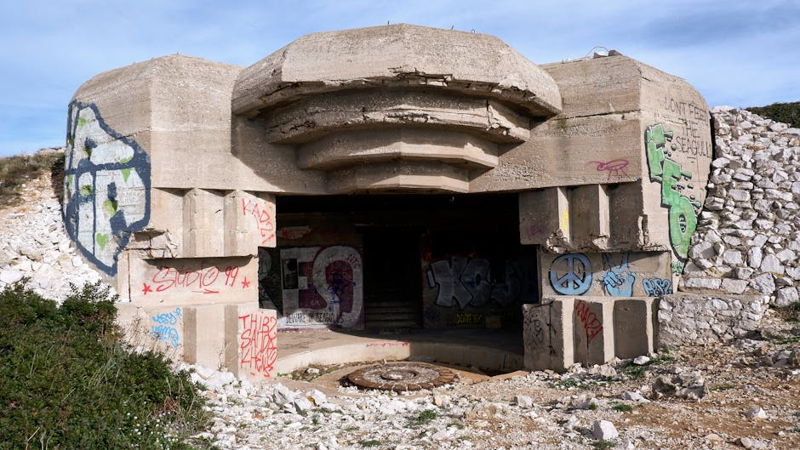
A case study of a bunker that implemented a fencing system found that the system was highly effective in preventing intruders from entering the bunker. The fence was designed to be robust and durable, and it was integrated with other security measures, such as surveillance cameras and motion detectors. This highlights the importance of considering the material and design of the fence when designing and implementing a perimeter protection system.
Motion Detectors
Motion detectors are another critical component of perimeter protection. They can detect movement and alert the occupants and security personnel. The placement and sensitivity of motion detectors must be considered to minimize false alarms.
A case study of a bunker that implemented a motion detection system found that the system was highly effective in detecting and deterring intruders. The motion detectors were placed strategically around the perimeter of the bunker, and they were adjusted to minimize false alarms. This highlights the importance of considering the placement and sensitivity of motion detectors when designing and implementing a perimeter protection system.
Surveillance Cameras
Surveillance cameras are a critical component of perimeter protection. They can provide visual deterrence and forensic evidence. The type and placement of cameras must be considered, as well as the integration with other security measures, such as motion detectors and access control systems.

A case study of a bunker that implemented a surveillance camera system found that the system was highly effective in detecting and deterring intruders. The cameras were placed strategically around the perimeter of the bunker, and they were integrated with other security measures, such as motion detectors and access control systems. This highlights the importance of considering the type and placement of cameras when designing and implementing a perimeter protection system.
Physical Entry Point Security
Reinforced Doors and Locks
Reinforced doors and locks are critical components of physical entry point security. They can prevent intruders from entering the bunker. The material and design of the doors and locks must be considered, as well as the integration with other security measures, such as access control systems and surveillance cameras.
A case study of a bunker that implemented a reinforced door and lock system found that the system was highly effective in preventing intruders from entering the bunker. The doors and locks were designed to be robust and durable, and they were integrated with other security measures, such as access control systems and surveillance cameras. This highlights the importance of considering the material and design of the doors and locks when designing and implementing a physical entry point security system.
Access Control Systems
Access control systems are critical components of physical entry point security. They can manage who can enter the bunker and prevent unauthorized access. The type and placement of access control systems must be considered, as well as the integration with other security measures, such as surveillance cameras and motion detectors.
A case study of a bunker that implemented an access control system found that the system was highly effective in preventing unauthorized access. The system was designed to be robust and secure, and it was integrated with other security measures, such as surveillance cameras and motion detectors. This highlights the importance of considering the type and placement of access control systems when designing and implementing a physical entry point security system.
Escape Hatch Security
Escape hatches are critical components of physical entry point security. They can provide a safe and secure means of escape in the event of an emergency. The security of escape hatches must be considered, as well as the integration with other security measures, such as access control systems and surveillance cameras.
A case study of a bunker that implemented an escape hatch security system found that the system was highly effective in providing a safe and secure means of escape. The escape hatch was designed to be robust and secure, and it was integrated with other security measures, such as access control systems and surveillance cameras. This highlights the importance of considering the security of escape hatches when designing and implementing a physical entry point security system.
Internal Monitoring and Alerts
Alarm Systems
Alarm systems are critical components of internal monitoring and alerts. They can detect and alert the occupants and security personnel of potential threats. The type and placement of alarm systems must be considered, as well as the integration with other security measures, such as surveillance cameras and motion detectors.
A case study of a bunker that implemented an alarm system found that the system was highly effective in detecting and alerting the occupants and security personnel of potential threats. The alarm system was designed to be robust and secure, and it was integrated with other security measures, such as surveillance cameras and motion detectors. This highlights the importance of considering the type and placement of alarm systems when designing and implementing an internal monitoring and alerts system.
Sensor Types and Placement
Sensors are critical components of internal monitoring and alerts. They can detect potential threats and alert the occupants and security personnel. The type and placement of sensors must be considered, as well as the integration with other security measures, such as surveillance cameras and motion detectors.
A case study of a bunker that implemented a sensor system found that the system was highly effective in detecting potential threats. The sensors were placed strategically around the bunker, and they were integrated with other security measures, such as surveillance cameras and motion detectors. This highlights the importance of considering the type and placement of sensors when designing and implementing an internal monitoring and alerts system.
Remote Monitoring Options
Remote monitoring options are critical components of internal monitoring and alerts. They can provide real-time monitoring and alerts to the occupants and security personnel. The type and placement of remote monitoring options must be considered, as well as the integration with other security measures, such as surveillance cameras and motion detectors.
A case study of a bunker that implemented a remote monitoring system found that the system was highly effective in providing real-time monitoring and alerts. The system was designed to be robust and secure, and it was integrated with other security measures, such as surveillance cameras and motion detectors. This highlights the importance of considering the type and placement of remote monitoring options when designing and implementing an internal monitoring and alerts system.
Power and Backup Solutions
Primary Power Sources
Primary power sources are critical components of power and backup solutions. They can provide the necessary power to the security system. The type and reliability of primary power sources must be considered, as well as the integration with other security measures, such as surveillance cameras and motion detectors.
A case study of a bunker that implemented a primary power source found that the source was highly effective in providing the necessary power to the security system. The primary power source was designed to be robust and reliable, and it was integrated with other security measures, such as surveillance cameras and motion detectors. This highlights the importance of considering the type and reliability of primary power sources when designing and implementing a power and backup solution.
Backup Power Options
Backup power options are critical components of power and backup solutions. They can provide the necessary power to the security system in the event of a primary power failure. The type and reliability of backup power options must be considered, as well as the integration with other security measures, such as surveillance cameras and motion detectors.
A case study of a bunker that implemented a backup power option found that the option was highly effective in providing the necessary power to the security system. The backup power option was designed to be robust and reliable, and it was integrated with other security measures, such as surveillance cameras and motion detectors. This highlights the importance of considering the type and reliability of backup power options when designing and implementing a power and backup solution.
Maintaining Power Consistency
Maintaining power consistency is critical to ensuring the security system operates continuously. The importance of power consistency must be considered, as well as the integration with other security measures, such as surveillance cameras and motion detectors.
A case study of a bunker that implemented a power consistency solution found that the solution was highly effective in maintaining power consistency. The power consistency solution was designed to be robust and reliable, and it was integrated with other security measures, such as surveillance cameras and motion detectors. This highlights the importance of considering power consistency when designing and implementing a power and backup solution.
Communication Systems in Bunkers
Internal Communication Tools
Internal communication tools are critical components of communication systems in bunkers. They can provide a means of communication between occupants and security personnel. The type and reliability of internal communication tools must be considered, as well as the integration with other security measures, such as surveillance cameras and motion detectors.
A case study of a bunker that implemented an internal communication tool found that the tool was highly effective in providing a means of communication. The internal communication tool was designed to be robust and reliable, and it was integrated with other security measures, such as surveillance cameras and motion detectors. This highlights the importance of considering the type and reliability of internal communication tools when designing and implementing a communication system.
External Emergency Contact Methods
External emergency contact methods are critical components of communication systems in bunkers. They can provide a means of communication with emergency services in the event of an emergency. The type and reliability of external emergency contact methods must be considered, as well as the integration with other security measures, such as surveillance cameras and motion detectors.
A case study of a bunker that implemented an external emergency contact method found that the method was highly effective in providing a means of communication. The external emergency contact method was designed to be robust and reliable, and it was integrated with other security measures, such as surveillance cameras and motion detectors. This highlights the importance of considering the type and reliability of external emergency contact methods when designing and implementing a communication system.
Maintaining and Testing Security Systems
Routine Inspection Checklists
Routine inspection checklists are critical components of maintaining and testing security systems. They can provide a means of ensuring the security system is operating correctly. The type and frequency of routine inspections must be considered, as well as the integration with other security measures, such as surveillance cameras and motion detectors.
A case study of a bunker that implemented a routine inspection checklist found that the checklist was highly effective in ensuring the security system was operating correctly. The routine inspection checklist was designed to be comprehensive and reliable, and it was integrated with other security measures, such as surveillance cameras and motion detectors. This highlights the importance of considering the type and frequency of routine inspections when designing and implementing a maintenance and testing system.
System Testing Procedures
System testing procedures are critical components of maintaining and testing security systems. They can provide a means of ensuring the security system is operating correctly. The type and frequency of system testing must be considered, as well as the integration with other security measures, such as surveillance cameras and motion detectors.
A case study of a bunker that implemented a system testing procedure found that the procedure was highly effective in ensuring the security system was operating correctly. The system testing procedure was designed to be comprehensive and reliable, and it was integrated with other security measures, such as surveillance cameras and motion detectors. This highlights the importance of considering the type and frequency of system testing when designing and implementing a maintenance and testing system.
Troubleshooting Common Issues
Troubleshooting common issues is critical to ensuring the security system operates correctly. The type and frequency of troubleshooting must be considered, as well as the integration with other security measures, such as surveillance cameras and motion detectors.
A case study of a bunker that implemented a troubleshooting procedure found that the procedure was highly effective in ensuring the security system was operating correctly. The troubleshooting procedure was designed to be comprehensive and reliable, and it was integrated with other security measures, such as surveillance cameras and motion detectors. This highlights the importance of considering the type and frequency of troubleshooting when designing and implementing a maintenance and testing system.
Balancing Security and Privacy
Protecting Sensitive Information
Protecting sensitive information is critical to ensuring the security and privacy of occupants and security personnel. The type and reliability of measures to protect sensitive information must be considered, as well as the integration with other security measures, such as surveillance cameras and motion detectors.
A case study of a bunker that implemented measures to protect sensitive information found that the measures were highly effective in protecting sensitive information. The measures were designed to be robust and reliable, and they were integrated with other security measures, such as surveillance cameras and motion detectors. This highlights the importance of considering the type and reliability of measures to protect sensitive information when designing and implementing a security and privacy system.
Managing Access Logs
Managing access logs is critical to ensuring the security and privacy of occupants and security personnel. The type and reliability of measures to manage access logs must be considered, as well as the integration with other security measures, such as surveillance cameras and motion detectors.
A case study of a bunker that implemented measures to manage access logs found that the measures were highly effective in managing access logs. The measures were designed to be robust and reliable, and they were integrated with other security measures, such as surveillance cameras and motion detectors. This highlights the importance of considering the type and reliability of measures to manage access logs when designing and implementing a security and privacy system.
Legal and Ethical Considerations
Complying With Local Regulations
Complying with local regulations is critical to ensuring the security and privacy of occupants and security personnel. The type and reliability of measures to comply with local regulations must be considered, as well as the integration with other security measures, such as surveillance cameras and motion detectors.
A case study of a bunker that implemented measures to comply with local regulations found that the measures were highly effective in complying with local regulations. The measures were designed to be robust and reliable, and they were integrated with other security measures, such as surveillance cameras and motion detectors. This highlights the importance of considering the type and reliability of measures to comply with local regulations when designing and implementing a security and privacy system.
Respecting Privacy Rights
Respecting privacy rights is critical to ensuring the security and privacy of occupants and security personnel. The type and reliability of measures to respect privacy rights must be considered, as well as the integration with other security measures, such as surveillance cameras and motion detectors.
A case study of a bunker that implemented measures to respect privacy rights found that the measures were highly effective in respecting privacy rights. The measures were designed to be robust and reliable, and they were integrated with other security measures, such as surveillance cameras and motion detectors. This highlights the importance of considering the type and reliability of measures to respect privacy rights when designing and implementing a security and privacy system.
Conclusion and Key Takeaways
In conclusion, bunker security systems are critical to ensuring the safety and security of occupants and valuable assets. The key takeaways from this article are the importance of customized security solutions, regular maintenance, and ethical considerations. By considering these factors and implementing a comprehensive security system, individuals can ensure the safety and security of their bunker.
A final thought to consider is the importance of staying informed about the latest developments and best practices in bunker security. By doing so, individuals can ensure that their security system is up-to-date and effective in preventing breaches and protecting occupants and assets. This highlights the importance of ongoing education and training in maintaining a secure and private bunker.