Flood Safety Precautions for Homeowners: A Matter of Life and Death
Imagine the sound of rushing water, the smell of dampness, and the feeling of fear as floodwaters rise. Flood safety precautions for homeowners are crucial, especially after recent devastating floods. We’ll provide essential knowledge and practical tips to prepare for and respond to floods, including understanding flood risks, developing emergency plans, and securing homes.
A well-thought-out emergency plan is essential for safety during extreme weather. Proper drainage systems can prevent water from pooling around properties during heavy rains. But what happens when the water rises, and the power goes out? We’ll explore the importance of flood safety precautions and provide actionable advice to help homeowners stay safe.
Understanding Flood Risks at Home
Types of Floods Affecting Homes
Flash floods, storm surges, and riverine floods can all affect homes, each with unique challenges and dangers. For instance, flash floods can occur with little warning, while storm surges can bring massive amounts of water and debris. Understanding these types of floods can help homeowners take targeted precautions. According to the National Weather Service, six inches of rushing water can knock over an adult, and just 12 inches of fast-moving water can carry away a car.
What would you do if you were in a situation where the water was rising, and you had to act fast? Would you know how to turn off the electricity safely or find a safe area in your home? We’ll provide tips on how to identify and prepare a safe area, including clearing clutter and installing a battery-powered radio.
Common Causes of Home Flooding
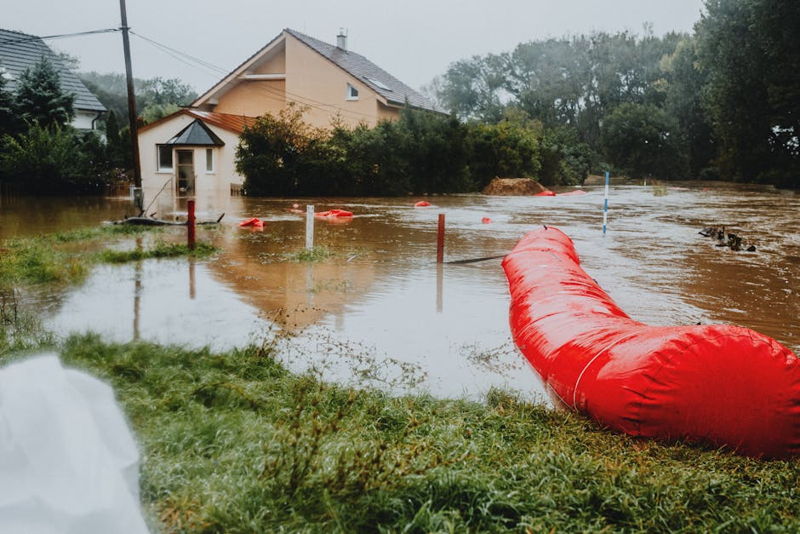
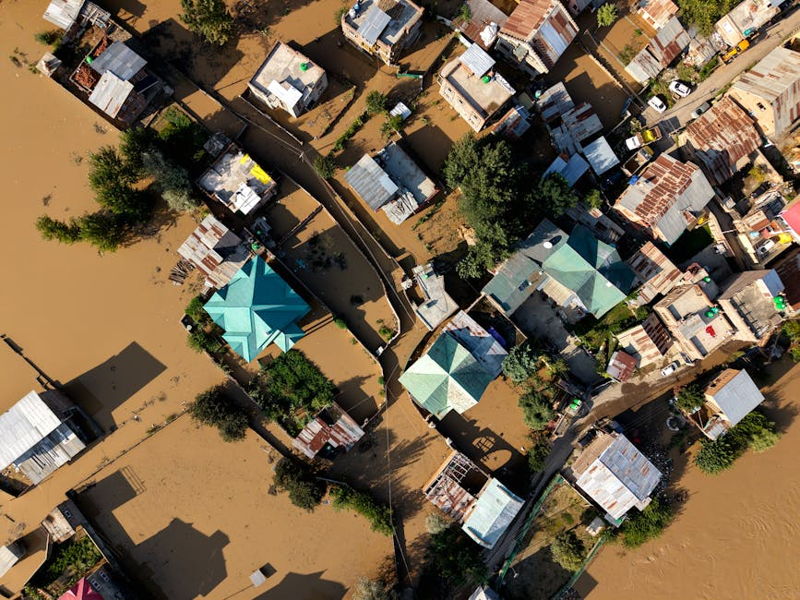
Heavy rainfall, storm surges, and levee failures are common causes of home flooding. The National Flood Insurance Program (NFIP) reports that one in three insurance claims come from properties located in moderate-to-low risk flood areas. Homeowners can identify potential flood risks in their area by consulting with local authorities or insurance providers. For example, the Federal Emergency Management Agency (FEMA) hosts the Flood Map Service Center, where homeowners can assess their baseline flood risk.
Can you imagine the devastation of losing your home and belongings to a flood? It’s a harsh reality that many homeowners face. But with the right knowledge and preparations, you can reduce the risk of flood damage and stay safe. We’ll explore the importance of assessing flood risk and provide resources for doing so.
Flood Safety Precautions for Homeowners
Developing a Flood Emergency Plan
A flood emergency plan should include evacuation routes, emergency contact numbers, and a meeting point. Homeowners can use a template or example of a flood emergency plan to customize it for their needs. Practicing the plan with all household members is crucial to ensure everyone knows what to do in case of a flood. The American Red Cross provides guidance on flood safety and recovery, including tips on creating a flood emergency plan.
What if you had to evacuate your home quickly due to a flood? Would you know the safest route to take? We’ll provide tips on how to identify safe evacuation routes and practice them with your household members. For instance, the National Weather Service outlines essential tips on how to stay safe during extreme weather events, including floods.
Identifying Safe Areas in Your Home
A safe area in the home should be on an upper floor or in an interior room, away from windows and doors. Homeowners can identify and prepare a safe area by clearing clutter, installing a battery-powered radio, and having a backup plan in case the primary safe area becomes inaccessible. The National Flood Insurance Program (NFIP) provides information on flood safety and recovery, including tips on identifying safe areas in the home.
Imagine being in a safe area, listening to the sound of rushing water outside, but knowing you’re protected. It’s a feeling of relief and safety that comes with being prepared. We’ll explore the importance of having a backup plan and provide tips on how to create one. For example, homeowners can store essential supplies, such as food, water, and first aid materials, in a safe area.
Preparing an Emergency Kit
Essential Supplies to Include
An emergency kit should include essential supplies, such as water, non-perishable food, and first aid materials. Homeowners can tailor the kit to their specific needs, including pets and infants. The kit should be easily accessible and regularly updated. The National Weather Service provides information on emergency kits, including tips on what to include and how to maintain them.
What if you had to stay in your home for an extended period due to a flood? Would you have enough food and water to last? We’ll provide tips on how to maintain and update the emergency kit, including storing food and water safely. For instance, homeowners can use airtight containers and keep them off the floor to prevent water damage.
Storing Food and Water Safely
Storing food and water safely during a flood is crucial to prevent contamination and spoilage. Homeowners can use airtight containers and keep them off the floor to prevent water damage. The National Flood Insurance Program (NFIP) provides information on flood safety and recovery, including tips on storing food and water safely. For example, homeowners can use waterproof containers and label them clearly to ensure easy access.
Imagine having a steady supply of clean water and non-perishable food during a flood. It’s a feeling of security and comfort that comes with being prepared. We’ll explore the importance of having a plan for accessing essential services, such as food and water, during a flood. The Federal Emergency Management Agency (FEMA) provides guidance on retrofitting homes to prevent flooding, including tips on storing food and water safely.
Securing Your Home’s Structure
Installing Flood Barriers and Shields
Installing flood barriers and shields, such as sandbags and flood gates, can help protect the home from flood damage. Homeowners can choose the right type of barrier or shield for their home and install it properly. The National Flood Insurance Program (NFIP) provides information on flood safety and recovery, including tips on installing flood barriers and shields. For instance, homeowners can use sandbags to block doors and windows, or install flood gates to prevent water from entering the home.
What if you could protect your home from flood damage with a simple and effective solution? We’ll provide tips on how to install flood barriers and shields, including regular maintenance and inspection. The American Red Cross provides guidance on flood safety and recovery, including tips on installing flood barriers and shields.
Managing Utilities During Floods
Turning Off Electricity Safely
Turning off electricity safely during a flood is crucial to prevent electrical shock and fire hazards. Homeowners can locate the main electrical panel and use a non-contact voltage tester to ensure the power is off. The National Weather Service provides information on electrical safety during floods, including tips on how to turn off electricity safely. For example, homeowners can use a flashlight to navigate in the dark and avoid electrical hazards.
Imagine being able to navigate your home safely during a flood, without the risk of electrical shock. It’s a feeling of relief and security that comes with being prepared. We’ll explore the importance of having a plan for accessing essential services, such as electricity, during a flood. The Federal Emergency Management Agency (FEMA) provides guidance on retrofitting homes to prevent flooding, including tips on managing utilities during floods.
Safeguarding Valuables and Documents
Using Waterproof Containers
Using waterproof containers can help protect valuables and documents from water damage during a flood. Homeowners can choose the right type of container and label it clearly to ensure easy access. The National Flood Insurance Program (NFIP) provides information on flood safety and recovery, including tips on using waterproof containers. For instance, homeowners can use plastic bins or zip-top bags to store important documents and valuables.
What if you could protect your valuables and documents from flood damage with a simple and effective solution? We’ll provide tips on how to use waterproof containers, including storing items above flood level and creating digital backups. The American Red Cross provides guidance on flood safety and recovery, including tips on safeguarding valuables and documents.
Landscaping for Flood Defense
Grading and Sloping the Yard
Grading and sloping the yard can help direct water away from the home and prevent flood damage. Homeowners can use a level and install a French drain to ensure proper drainage. The National Weather Service provides information on flood safety and recovery, including tips on grading and sloping the yard. For example, homeowners can use a perforated pipe and gravel to create a French drain.
Imagine having a yard that directs water away from your home, reducing the risk of flood damage. It’s a feeling of security and comfort that comes with being prepared. We’ll explore the importance of having a plan for landscaping for flood defense, including tips on using water-resistant plants and installing French drains.
Insurance Considerations for Flood Coverage
Understanding Flood Insurance Policies
Understanding flood insurance policies is crucial for homeowners to ensure they have adequate coverage. The National Flood Insurance Program (NFIP) provides flood insurance policies that can help homeowners recover from flood damage. Homeowners can review their policy documents and ask questions to ensure they understand what is covered and what is not. For instance, homeowners can check if their policy covers items stored in a basement or crawl space.
What if you could have peace of mind knowing you have adequate flood insurance coverage? We’ll provide tips on how to read and understand a flood insurance policy, including reviewing the policy documents and asking questions. The Federal Emergency Management Agency (FEMA) provides guidance on flood insurance, including tips on understanding flood insurance policies.
Staying Informed with Alerts and Warnings
Setting Up Emergency Notifications
Setting up emergency notifications can help homeowners stay informed about flood risks and warnings. Homeowners can sign up for emergency alerts and warnings from the National Weather Service or other local authorities. The American Red Cross provides guidance on flood safety and recovery, including tips on setting up emergency notifications. For example, homeowners can use a smartphone app to receive emergency alerts and warnings.
Imagine being able to receive timely warnings and alerts during a flood, allowing you to take action and stay safe. It’s a feeling of security and comfort that comes with being prepared. We’ll explore the importance of having a plan for staying informed, including tips on interpreting weather alerts and following official guidance.
Evacuation Procedures and Safety
When to Evacuate
Knowing when to evacuate is crucial for homeowners to ensure their safety during a flood. Homeowners can monitor weather alerts and follow official guidance to determine when to evacuate. The National Weather Service provides information on flood safety and recovery, including tips on when to evacuate. For instance, homeowners can check the National Weather Service website for updates on flood warnings and evacuation orders.
What if you could evacuate your home safely and quickly during a flood? We’ll provide tips on how to determine when to evacuate, including monitoring weather alerts and following official guidance. The Federal Emergency Management Agency (FEMA) provides guidance on flood safety and recovery, including tips on evacuation procedures and safety.
After the Flood: Cleanup and Restoration
Assessing Damage Safely
Assessing damage safely after a flood is crucial for homeowners to ensure their safety and the safety of their homes. Homeowners can wear personal protective equipment and use a flashlight to navigate in the dark and avoid hazards. The National Flood Insurance Program (NFIP) provides information on flood safety and recovery, including tips on assessing damage safely. For example, homeowners can use a non-contact voltage tester to ensure the power is off before entering a flooded area.
Imagine being able to assess the damage to your home safely and effectively after a flood. It’s a feeling of relief and security that comes with being prepared. We’ll explore the importance of having a plan for cleanup and restoration, including tips on avoiding electrical hazards and preventing mold growth.
Protecting Your Health During and After Floods
Avoiding Contaminated Water
Avoiding contaminated water during and after a flood is crucial for homeowners to ensure their health and safety. Homeowners can use bottled or filtered water and avoid contact with floodwater to prevent the risk of waterborne illnesses. The Centers for Disease Control and Prevention (CDC) provides information on flood safety and recovery, including tips on avoiding contaminated water. For instance, homeowners can use a water filter or purification tablets to make water safe to drink.
What if you could protect your health and safety during and after a flood? We’ll provide tips on how to avoid contaminated water, including using personal protective equipment and taking precautions. The American Red Cross provides guidance on flood safety and recovery, including tips on protecting your health during and after floods.
Conclusion and Key Takeaways
In conclusion, flood safety precautions for homeowners are crucial to ensure their safety and the safety of their homes. Homeowners can take action by understanding flood risks, developing emergency plans, and securing their homes. We’ve provided tips and resources to help homeowners prepare for and respond to floods, including creating a flood emergency plan, identifying safe areas, and installing flood barriers and shields. Remember, being prepared is key to staying safe during a flood. Take action today and protect your home and family from the risks of flooding.
What’s your flood safety plan? Share your tips and experiences with us, and let’s work together to create a safer and more resilient community. The National Flood Insurance Program (NFIP) and the Federal Emergency Management Agency (FEMA) provide valuable resources and guidance on flood safety and recovery. Stay informed, stay safe, and stay prepared.