Introduction to Building a Secure and Reinforced Bunker Structure
Imagine having a safe haven, a place where you and your loved ones can seek refuge in times of crisis – this is what building a secure and reinforced bunker structure can provide. With the rising awareness of global threats and natural disasters, the importance of bunker security cannot be overstated. As we delve into the world of bunker design and construction, we’ll explore the essential elements of creating a secure and reinforced bunker structure, from site selection to materials and security features. By the end of this guide, you’ll have a comprehensive understanding of how to build a safe and reliable bunker.
So, what makes a bunker truly secure? Is it the location, the materials used, or the security features implemented? Let’s take a closer look at what it takes to build a bunker that can withstand even the most extreme conditions.
Understanding Bunker Security Fundamentals
Defining Security in the Bunker Context
Security in the context of bunkers refers to the protection of occupants from external threats, such as natural disasters, nuclear attacks, and cyber threats. The core principles of security in bunkers include confidentiality, integrity, and availability. A breach in any of these areas can have devastating consequences, as seen in the case of a bunker in Colorado that was compromised due to inadequate security measures, resulting in the loss of sensitive information and putting the occupants at risk. We must balance security with practicality and comfort in bunker design to ensure that the occupants can survive for extended periods.

For instance, consider a scenario where a bunker is designed with multiple layers of protection, including physical barriers, surveillance systems, and access control. This defense-in-depth approach can provide a high level of security, but it also requires careful planning and implementation to ensure that the occupants can safely and easily access the bunker.
Threat Assessment Basics
Threat assessment is a critical component of bunker security planning. It involves identifying potential threats, assessing their likelihood and impact, and developing strategies to mitigate them. According to a recent study, the frequency of natural disasters has increased by 15% over the past decade, emphasizing the need for robust bunker security. By understanding the types of threats that bunkers are designed to protect against, we can develop effective security measures to safeguard the occupants and the bunker itself.
So, what are the common types of threats that bunkers are designed to protect against? These include natural disasters such as earthquakes, hurricanes, and floods, as well as man-made threats like nuclear attacks and cyber threats. By assessing these threats and developing strategies to mitigate them, we can create a secure and reliable bunker that can withstand even the most extreme conditions.
Site Selection and Location Considerations
Geological Suitability
Site selection is a critical factor in bunker construction. The site must be geologically suitable, with factors such as soil stability and water table depth taken into consideration. A site with unstable soil or a high water table can compromise the structural integrity of the bunker, as seen in the case of a bunker in California that was compromised due to poor site selection, resulting in costly repairs and safety risks. Geotechnical surveys can help determine site suitability and identify potential risks.
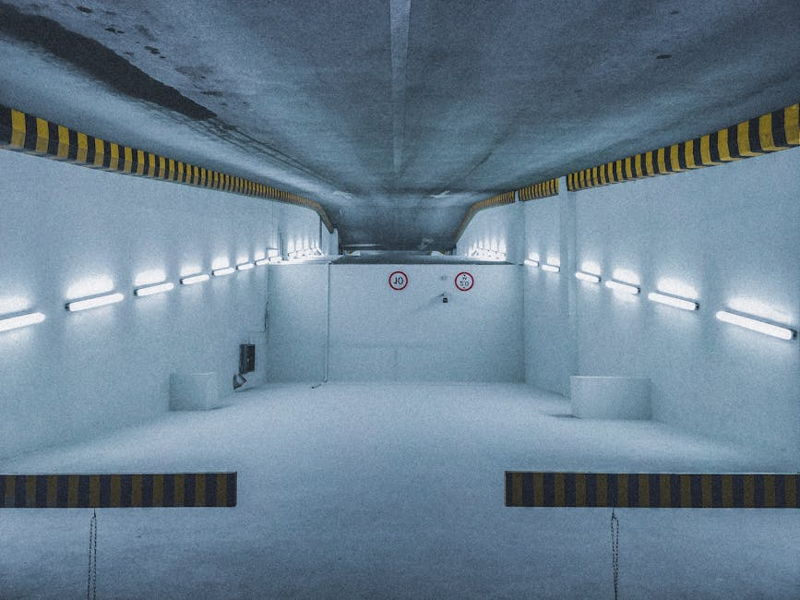
For example, consider a scenario where a site is selected for bunker construction, but the soil is found to be unstable. In this case, the site may need to be modified or reinforced to ensure that it can support the weight of the bunker and withstand external threats.
Accessibility and Secrecy
Accessibility and secrecy are also important considerations in site selection. The bunker must be easily accessible, but also secret to prevent unauthorized access. A scenario where a bunker’s location was compromised due to inadequate secrecy measures highlights the importance of plausible deniability in bunker location selection. Secure access routes and covert entry points can help maintain secrecy while ensuring safe access to the bunker.
So, how can we balance accessibility and secrecy in bunker location selection? One approach is to use secure access routes and covert entry points, such as hidden doors or secret passages. This can help maintain secrecy while ensuring safe access to the bunker.
Legal and Regulatory Requirements
Permits and Zoning Laws
Obtaining necessary permits and complying with zoning laws is crucial in bunker construction. Non-compliance can result in fines, project shutdowns, and even safety risks. A recent example of a bunker construction project that was delayed due to regulatory issues highlights the importance of working with experienced engineers and architects to ensure compliance with building codes and regulations.
For instance, consider a scenario where a bunker construction project is planned, but the necessary permits are not obtained. In this case, the project may be delayed or even shut down, resulting in significant costs and safety risks.
Planning Bunker Size and Layout
Occupancy and Space Calculations
Bunker size and layout are critical factors in determining the safety and comfort of the occupants. Occupancy requirements, space allocation, and logistical considerations must be taken into account. A formula for calculating the minimum required space per occupant can help determine the ideal size of the bunker. For example, a bunker designed to accommodate 10 occupants may require a minimum of 300 square feet of space.
So, how can we determine the ideal size and layout of a bunker? One approach is to use a formula to calculate the minimum required space per occupant, taking into account factors such as occupancy requirements, space allocation, and logistical considerations.
Materials Selection for Durability
Concrete and Reinforcement Options
The selection of materials is crucial in bunker construction. Concrete and reinforcement options, such as high-strength concrete and fiber-reinforced polymers, can provide excellent durability and resistance to external threats. The advantages and disadvantages of each material, including factors such as cost, sustainability, and maintenance requirements, must be carefully considered. For example, high-strength concrete may be more expensive than traditional concrete, but it can provide superior durability and resistance to external threats.
For instance, consider a scenario where a bunker is constructed using high-strength concrete and fiber-reinforced polymers. In this case, the bunker may be more resistant to external threats and require less maintenance over time.
Building a Secure and Reinforced Bunker Structure
Foundation Engineering Basics
A stable and secure foundation is essential in bunker construction. The fundamentals of foundation engineering, including the importance of a stable and secure foundation, must be carefully considered. Different types of foundations, such as shallow and deep foundations, can be used in bunker construction, depending on the site conditions and design requirements. For example, a shallow foundation may be suitable for a small bunker, while a deep foundation may be required for a larger bunker.
So, how can we ensure that a bunker has a stable and secure foundation? One approach is to use a combination of foundation engineering techniques, such as shallow and deep foundations, to provide a stable and secure base for the bunker.
Excavation and Groundwork Essentials
Excavation Methods
Excavation and groundwork are critical components of bunker construction. Different excavation methods, such as cut-and-cover, trenching, and tunneling, can be used depending on the site conditions and design requirements. The advantages and disadvantages of each method, including factors such as cost, time, and safety, must be carefully considered. For example, cut-and-cover excavation may be faster and less expensive than tunneling, but it may also be more disruptive to the surrounding environment.
For instance, consider a scenario where a bunker is constructed using cut-and-cover excavation. In this case, the excavation method may be faster and less expensive, but it may also require more labor and equipment to complete.
Ventilation, Air Filtration, and Climate Control
Designing Airflow Systems
Ventilation, air filtration, and climate control are essential components of bunker design. Effective airflow systems, including the use of materials such as ducts and vents, can help maintain a safe and healthy environment for the occupants. The importance of proper sizing and balancing of airflow systems cannot be overstated, as inadequate ventilation can lead to a buildup of toxic gases and compromise the safety of the occupants.
So, how can we design an effective airflow system for a bunker? One approach is to use a combination of materials, such as ducts and vents, to provide a safe and healthy environment for the occupants.
Power Supply and Backup Systems
Off-Grid Power Options
A reliable power supply is critical in bunker construction. Off-grid power options, such as solar, wind, and hydro power, can provide a sustainable and reliable source of energy. The advantages and disadvantages of each option, including factors such as cost, reliability, and maintenance requirements, must be carefully considered. For example, solar power may be more expensive than traditional power sources, but it can provide a sustainable and reliable source of energy.
For instance, consider a scenario where a bunker is powered using solar energy. In this case, the power supply may be more sustainable and reliable, but it may also require more maintenance and upkeep over time.
Water Supply and Waste Management
Water Sourcing and Storage
A reliable water supply is essential in bunker construction. Water sourcing and storage, including the use of systems such as wells and water tanks, can provide a safe and reliable source of water. The importance of proper water treatment and testing cannot be overstated, as contaminated water can compromise the health and safety of the occupants.
So, how can we ensure that a bunker has a reliable water supply? One approach is to use a combination of water sourcing and storage systems, such as wells and water tanks, to provide a safe and reliable source of water.
Security Features and Access Control
Reinforced Entryways
Security features and access control are critical components of bunker design. Reinforced entryways, including the use of materials such as steel doors and blast-resistant windows, can provide a high level of security and protection for the occupants. The importance of proper installation and maintenance of security features cannot be overstated, as inadequate security can compromise the safety of the occupants.
For instance, consider a scenario where a bunker is equipped with reinforced entryways and access control systems. In this case, the security features may be more effective, but they may also require more maintenance and upkeep over time.
Stockpiling Essentials and Storage Organization
Food and Medical Supplies
Stockpiling essentials, such as food and medical supplies, is critical in bunker construction. A well-stocked bunker can provide a safe and reliable source of sustenance and medical care for the occupants. The importance of proper storage and rotation of supplies cannot be overstated, as expired or spoiled supplies can compromise the health and safety of the occupants.
So, how can we ensure that a bunker is well-stocked with essentials? One approach is to use a combination of storage and rotation systems, such as shelving and inventory management, to provide a safe and reliable source of supplies.
Maintenance and Emergency Preparedness
Routine Inspections
Maintenance and emergency preparedness are essential components of bunker operation. Routine inspections, including the use of systems such as checklists and scheduling, can help identify potential issues and ensure that the bunker is in good working condition. The importance of proper maintenance and emergency preparedness cannot be overstated, as inadequate maintenance can compromise the safety and reliability of the bunker.
For instance, consider a scenario where a bunker is regularly inspected and maintained. In this case, the bunker may be more reliable and safe, but it may also require more labor and equipment to maintain over time.
Conclusion
In conclusion, building a secure and reinforced bunker structure requires careful planning, attention to detail, and a commitment to safety and security. By following the guidelines outlined in this article, you can create a safe and reliable bunker that can provide a safe haven for you and your loved ones in times of crisis. Remember to always prioritize safety and security, and to regularly inspect and maintain your bunker to ensure that it remains in good working condition. With the right planning and preparation, you can create a bunker that will provide a safe and secure environment for years to come.
So, what are you waiting for? Start building your secure and reinforced bunker structure today, and take the first step towards creating a safe and reliable haven for you and your loved ones.