Introduction to Hydroponic Systems for Beginners: A Guide to Hydroponic Growing for Beginners
Imagine growing your favorite fruits and vegetables up to 3x faster, while using 90% less water than traditional gardening methods – all thanks to beginner hydroponic kits. This is a great intro to hydroponics, and it’s an exciting way to start your journey. The thought of biting into a juicy, fresh tomato or crunchy lettuce, grown right in your own home, is a tantalizing one. As we delve into the world of hydroponics, you’ll discover how this innovative method can revolutionize the way you think about gardening.
Hydroponics has been gaining popularity in recent years, and for good reason. By providing plants with the exact nutrients they need, hydroponic systems can increase crop yields and improve plant health. But what exactly is hydroponics, and how does it work? Let’s dive in and explore the basics of hydroponic systems, including the essential components and benefits of using beginner hydroponic kits.
What Is Hydroponics?
Definition and Basic Concept
Hydroponics is a method of growing plants without soil, using a nutrient-rich solution to feed the plants instead. This solution is typically made up of water, nutrients, and oxygen, which are delivered directly to the roots of the plants. But how does it work? Imagine a system where the roots of the plants are suspended in a nutrient-rich solution, allowing them to absorb exactly what they need to grow. It’s like a perfectly tailored diet for your plants.
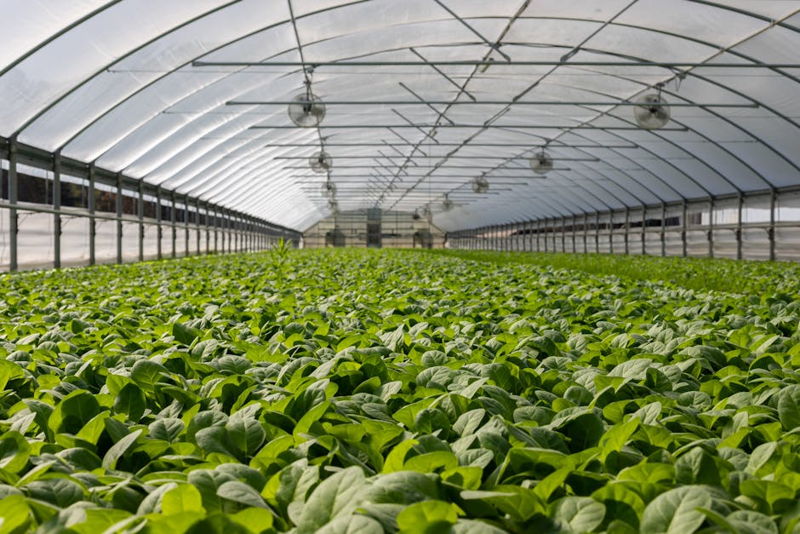
A great example of a successful hydroponic garden is the Pure Greens shipping container farm in Phoenix, AZ. By using hydroponics, they’re able to grow a wide variety of crops, from leafy greens to fruits and vegetables, all while using significantly less water than traditional farming methods. But hydroponics isn’t just for large-scale farms – it’s also perfect for home gardeners looking to grow their own food.
How Hydroponics Differs from Soil Gardening
So, what sets hydroponics apart from traditional soil gardening? For one, hydroponics allows for more control over the growing conditions, including the amount of water and nutrients the plants receive. This can lead to faster growth rates and higher yields, as well as reduced water usage. But it’s not just about the benefits – hydroponics also requires a different approach to gardening. Instead of relying on soil to provide nutrients, hydroponic gardeners must carefully balance the nutrient solution to meet the needs of their plants.
Another key difference is the lack of soil-borne diseases and pests, which can be a major advantage for hydroponic gardeners. By growing plants in a controlled environment, you can reduce the risk of disease and pest infestations, resulting in healthier plants and higher yields. But what about the initial investment – is it worth it? Let’s explore the benefits and drawbacks of hydroponics in more detail.
Benefits of Hydroponic Gardening
Faster Plant Growth
One of the most significant benefits of hydroponics is the potential for faster plant growth. By providing plants with the exact nutrients they need, hydroponic systems can accelerate growth rates, resulting in higher yields and more frequent harvests. But how does it work? Imagine a system where the plants are able to absorb nutrients and water at an optimal rate, allowing them to grow up to 3x faster than traditional gardening methods. It’s like a supercharged gardening system.
For example, a study by Planta Greenhouses found that their hydroponic systems can increase plant growth up to 3x faster and yield up to 3x more than traditional growing methods. But it’s not just about the numbers – hydroponics also allows for more control over the growing conditions, resulting in healthier plants and higher quality crops.
Water and Space Efficiency
Hydroponics is also an extremely water-efficient method of gardening. By recirculating the nutrient solution, hydroponic systems can use up to 90% less water than traditional gardening methods. But what about space – can hydroponics really help you grow more in less space? The answer is yes. With hydroponics, you can grow a wide variety of crops in a small area, making it perfect for urban gardeners or those with limited space.
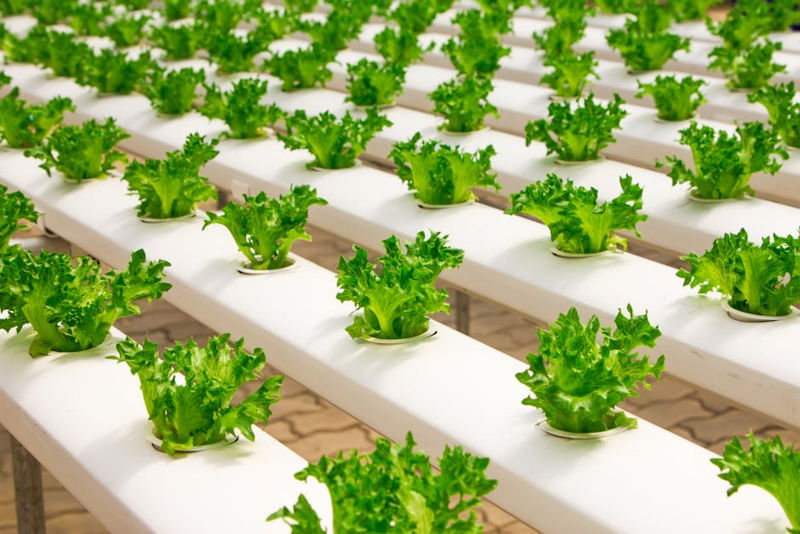
For instance, a hydroponic system like the ZipGrow Hydroponic Grower’s Starter Kit can be used to grow a wide variety of crops, from leafy greens to herbs and vegetables, all in a small and compact space. It’s like having your own personal garden, right in your own home.
Common Types of Hydroponic Systems
Deep Water Culture (DWC)
One of the most common types of hydroponic systems is the Deep Water Culture (DWC) system. In a DWC system, the roots of the plants are suspended in a nutrient-rich solution, which is oxygenated by an air stone. But what are the benefits and drawbacks of DWC systems? On the plus side, DWC systems are relatively simple and inexpensive to set up, making them a great option for beginners. However, they can be more prone to waterborne diseases and require regular monitoring of the nutrient solution.
A great example of a DWC system is the Planta Greenhouses Homie 28, which is a compact and easy-to-use system perfect for growing a wide variety of crops. But what about other types of hydroponic systems – are they worth exploring? Let’s take a look at some of the other options available.
Beginner Hydroponic Kits: What to Know About the Easiest Hydroponic System for Beginners
What’s Included in a Starter Kit
When it comes to beginner hydroponic kits, it’s essential to know what to expect. A typical starter kit will include a reservoir, pump, tubing, net pots, and growing media. But what about the instructions – are they easy to follow? A good starter kit should come with clear and concise instructions, making it easy for beginners to get started.
For example, the ZipGrow Hydroponic Grower’s Starter Kit comes with a comprehensive instruction manual and online support, making it easy for beginners to get started. But what about the cost – is it worth the investment? Let’s explore the budget considerations and tips for selecting the right kit for your needs.
Choosing the Right Plants for Beginners
Best Herbs and Greens
When it comes to choosing the right plants for beginners, it’s essential to start with easy-to-grow crops. Herbs and greens are a great place to start, as they are relatively low-maintenance and can thrive in a hydroponic system. But what about other types of crops – are they suitable for beginners? Let’s explore some of the best options for getting started.
For instance, leafy greens like lettuce and kale are perfect for beginners, as they are easy to grow and can be harvested in as little as 2-3 weeks. Herbs like basil and mint are also great options, as they are relatively low-maintenance and can add fresh flavor to a wide variety of dishes. But what about more challenging crops – are they worth the effort? Let’s explore some of the more advanced options available.
Essential Components of a Hydroponic Kit
Growing Trays and Reservoirs
When it comes to setting up a hydroponic system, it’s essential to have the right components. Growing trays and reservoirs are two of the most critical parts of a hydroponic kit, as they provide a place for the plants to grow and a container for the nutrient solution. Additionally, consumable kits, such as growing media and nutrients, are also necessary to ensure the health and success of your plants. But what about other essential components – are they easy to find? Let’s explore some of the other key parts of a hydroponic system.
For example, air and water pumps are essential for delivering oxygen and nutrients to the roots of the plants. Grow lights and timers are also crucial, as they provide the necessary light and darkness for plant growth. But what about other components – are they worth the investment? Let’s take a closer look at the essential components of a hydroponic kit.
Setting Up Your Kit Step by Step
Unboxing and Organizing Components
When it comes to setting up a hydroponic kit, it’s essential to follow the instructions carefully. The first step is to unbox and organize the components, making sure everything is included and in good condition. But what about assembly – is it easy to follow the instructions? A good hydroponic kit should come with clear and concise instructions, making it easy for beginners to get started.
For example, the Planta Greenhouses starter kit comes with a comprehensive instruction manual and online support, making it easy for beginners to assemble and set up their system. But what about adding water and nutrients – is it easy to get started? Let’s explore the next steps in setting up a hydroponic system.
Choosing and Mixing Nutrients
Understanding Nutrient Solutions
When it comes to choosing and mixing nutrients, it’s essential to understand the basics of nutrient solutions. A good nutrient solution should provide the necessary nutrients for plant growth, including nitrogen, phosphorus, and potassium. But what about the pH level – is it easy to adjust? A good hydroponic system should come with a pH test kit and instructions on how to adjust the pH level.
For example, the ZipGrow Hydroponic Grower’s Starter Kit comes with a comprehensive nutrient solution and instructions on how to mix and adjust the pH level. But what about monitoring nutrient levels – is it easy to track? Let’s explore the importance of monitoring nutrient levels and how to do it effectively.
Managing Water Quality and pH
Why pH Matters
When it comes to managing water quality and pH, it’s essential to understand the importance of pH levels. The pH level of the nutrient solution can affect the availability of nutrients for plant growth, making it crucial to monitor and adjust the pH level regularly. But what about the ideal pH range – is it easy to achieve? A good hydroponic system should come with a pH test kit and instructions on how to adjust the pH level.
For example, the ideal pH range for most hydroponic systems is between 5.5 and 6.5. But what about other factors that can affect water quality – are they easy to control? Let’s explore the importance of water quality and how to manage it effectively.
Lighting Requirements for Hydroponics
Types of Grow Lights
When it comes to lighting requirements for hydroponics, it’s essential to understand the different types of grow lights available. LED, HPS, and CFL are some of the most common types of grow lights, each with its own pros and cons. But what about the spectrum and intensity – is it easy to adjust? A good hydroponic system should come with adjustable grow lights and instructions on how to optimize the lighting for plant growth.
For example, LED grow lights are energy-efficient and produce minimal heat, making them a great option for hydroponic systems. But what about other factors that can affect lighting – are they easy to control? Let’s explore the importance of lighting and how to optimize it for plant growth.
Daily Care and Maintenance
Checking Water and Nutrient Levels
When it comes to daily care and maintenance, it’s essential to check the water and nutrient levels regularly. This can help prevent nutrient deficiencies and ensure the plants are receiving the necessary nutrients for growth. But what about other daily tasks – are they easy to manage? A good hydroponic system should come with a nutrient log and instructions on how to monitor and adjust the nutrient levels.
For example, the Planta Greenhouses starter kit comes with a comprehensive nutrient log and instructions on how to monitor and adjust the nutrient levels. But what about other maintenance tasks – are they worth the effort? Let’s explore the importance of daily care and maintenance and how to make it a breeze.
Troubleshooting Common Issues
Dealing with Algae Growth
When it comes to troubleshooting common issues, it’s essential to know how to deal with algae growth. Algae can be a major problem in hydroponic systems, as it can compete with plants for nutrients and light. But what about other common issues – are they easy to resolve? A good hydroponic system should come with instructions on how to prevent and address common issues.
For example, the ZipGrow Hydroponic Grower’s Starter Kit comes with a comprehensive guide on how to prevent and address algae growth. But what about other issues – are they worth the investment? Let’s explore the importance of troubleshooting and how to make it a breeze.
Harvesting Your Hydroponic Crops
When and How to Harvest
When it comes to harvesting your hydroponic crops, it’s essential to know when and how to do it. The timing of the harvest can affect the flavor, texture, and nutritional value of the crops. But what about the method – is it easy to learn? A good hydroponic system should come with instructions on how to harvest and care for the crops after harvest.
For example, leafy greens like lettuce and kale can be harvested in as little as 2-3 weeks, while fruits and vegetables may take longer. But what about other factors that can affect the harvest – are they easy to control? Let’s explore the importance of harvesting and how to make it a success.
Expanding Beyond Starter Kits
Upgrading to Larger Systems
When it comes to expanding beyond starter kits, it’s essential to know how to upgrade to larger systems. This can involve adding more components, such as additional reservoirs or pumps, or switching to a more advanced hydroponic system. But what about the benefits – is it worth the investment? A good hydroponic system should come with instructions on how to upgrade and expand the system.
For example, the Planta Greenhouses starter kit can be upgraded to a larger system by adding more components, such as additional reservoirs or pumps. But what about other options – are they worth exploring? Let’s explore the importance of upgrading and how to make it a success.
Conclusion and Key Takeaways
In conclusion, hydroponic systems offer a wide range of benefits for gardeners, from increased crop yields to reduced water usage. By following the guidelines and tips outlined in this article, you can create a thriving hydroponic system that provides you with fresh, healthy produce all year round. So why not give it a try – start with a beginner hydroponic kit and see the difference for yourself. With the right knowledge and equipment, you can unlock the full potential of hydroponics and take your gardening to the next level.
Remember, hydroponics is a journey, not a destination. With practice, patience, and dedication, you can master the art of hydroponic gardening and enjoy the many rewards it has to offer. So don’t be afraid to experiment, try new things, and push the boundaries of what’s possible. Happy gardening!