Choose Wisely: How to Choose a Survival Multi-Tool for the Unexpected
Imagine being stranded in the wilderness with nothing but a trusty multi-tool to keep you alive – how to choose a survival multi-tool or the best survival multi tool becomes a matter of life and death. The right tool can be a lifesaver, but with so many options on the market, selecting the best one can be overwhelming. In this article, we’ll guide you through the essential considerations for choosing a survival multi-tool that will serve you well in any situation.
When it comes to survival, having the right tools can mean the difference between life and death. A good survival multi-tool should be able to handle various tasks, from cutting and chopping to self-defense and first aid. But what makes a survival multi-tool truly effective, and how do you choose the right one for your needs?
The Importance of a Survival Multi-Tool
A survival multi-tool is more than just a handy gadget – it’s a vital component of any emergency kit. In a survival situation, a multi-tool or one of the many multi tools available can help you perform a variety of tasks, from building shelter to starting a fire. According to a study by the Wilderness Medical Society, having a multi-tool can increase your chances of survival by up to 30% (2018). But what features should you look for in a survival multi-tool, and how do you choose the right one for your needs?
Versatility in Survival Situations
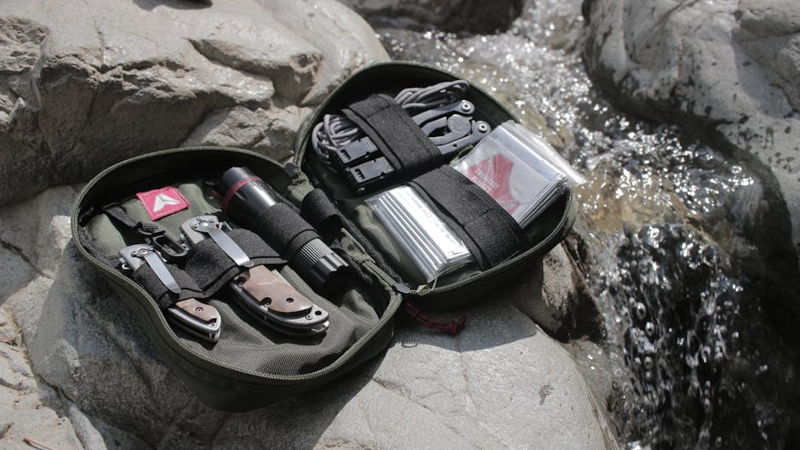
A good survival multi-tool should be able to adapt to various environments and situations. For example, a tool with a blade, pliers, and screwdriver can help you cut branches, grip small objects, and repair equipment. In a wilderness survival situation, a multi-tool’s versatility can be a lifesaver. Consider the story of a hiker who used their multi-tool to cut through debris and escape a ravine – a testament to the importance of having the right tool in the right situation.
Portability and Convenience
A compact and lightweight multi-tool is essential for survival situations. A tool that can be easily carried in a pocket or attached to a belt can be a lifesaver in emergency situations. For instance, a portable multi-tool can help you cut through rope or vines to create a makeshift shelter, or even signal for help using the tool’s reflective surface.
Assessing Your Needs and Environment
Before choosing a survival multi-tool, it’s essential to assess your specific needs and environment. Factors such as urban vs. wilderness use, frequency of outdoor activity, and personal skill level can influence the selection process. Consider the following checklist to evaluate your needs and environment:
- Will you be using the tool in urban or wilderness environments?
- How often do you engage in outdoor activities?
- What is your level of experience with multi-tools and survival situations?
Urban vs. Wilderness Use
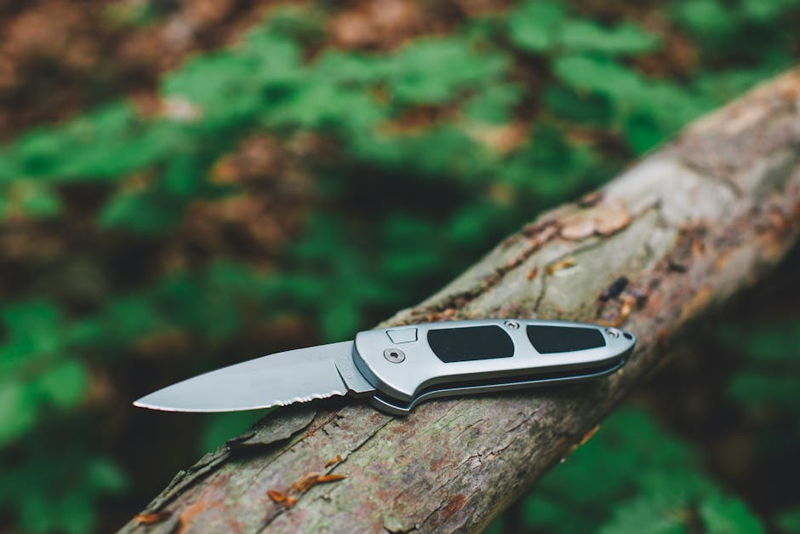
The requirements for a survival multi-tool differ significantly between urban and wilderness environments. In urban areas, a tool with a smaller blade and more compact design may be preferred, while in wilderness areas, a larger blade and more robust design may be necessary. For example, a tool with a tanto blade may be more suitable for urban use, while a tool with a drop-point blade may be better suited for wilderness use.
How to Choose a Survival Multi-Tool
Choosing the right survival multi-tool involves considering several key factors, including must-have functions, budget, and brand reputation. Here’s a step-by-step guide to help you navigate the selection process:
- Identify the essential functions you need in a survival multi-tool, such as a blade, pliers, and screwdriver.
- Set a realistic budget and consider the quality and materials of the tool.
- Research reputable brands and read reviews from other users to get a sense of the tool’s performance and durability.
Identify Must-Have Functions
A good survival multi-tool should have a range of functions that can help you in various survival situations. Consider the following essential functions:
- Blade: a good blade should be able to cut through various materials, including wood, rope, and fabric.
- Pliers: pliers can help you grip small objects, bend wire, and even crack open nuts.
- Screwdriver: a screwdriver can help you repair equipment, tighten loose screws, and even pry open stuck parts.
Understanding Key Tool Functions
A survival multi-tool typically includes a range of functions, each designed to help you in specific survival situations. Understanding these functions and how to use them is crucial for effective survival. Here are some key tool functions to consider:
Blade Types and Uses
A good survival multi-tool should have a blade that can handle various tasks, from cutting and chopping to self-defense. Consider the following blade types and their uses:
- Straight-edge blade: ideal for cutting and chopping, this blade type is great for general-purpose use.
- Serrated blade: perfect for sawing and cutting through tough materials, this blade type is essential for wilderness survival.
- Curved blade: useful for skinning and cutting through curved surfaces, this blade type is great for hunting and food preparation.
Material Quality and Durability
A survival multi-tool should be made from high-quality materials that can withstand the rigors of survival situations. Consider the following factors when evaluating material quality and durability:
- Stainless steel vs. carbon steel: stainless steel is more resistant to corrosion, while carbon steel is stronger and more durable.
- Corrosion resistance: look for tools with corrosion-resistant coatings or treatments to ensure the tool remains functional in harsh environments.
- Handle comfort and grip: a comfortable and secure handle is essential for safe and effective use.
Stainless Steel vs. Carbon Steel
When it comes to survival multi-tools, the choice between stainless steel and carbon steel depends on your specific needs and preferences. Stainless steel is more resistant to corrosion, making it ideal for use in wet or humid environments. Carbon steel, on the other hand, is stronger and more durable, making it perfect for heavy-duty use.
Size and Weight Considerations
A survival multi-tool should be compact and lightweight enough to carry easily, yet large enough to provide the necessary functions. Consider the following size and weight considerations:
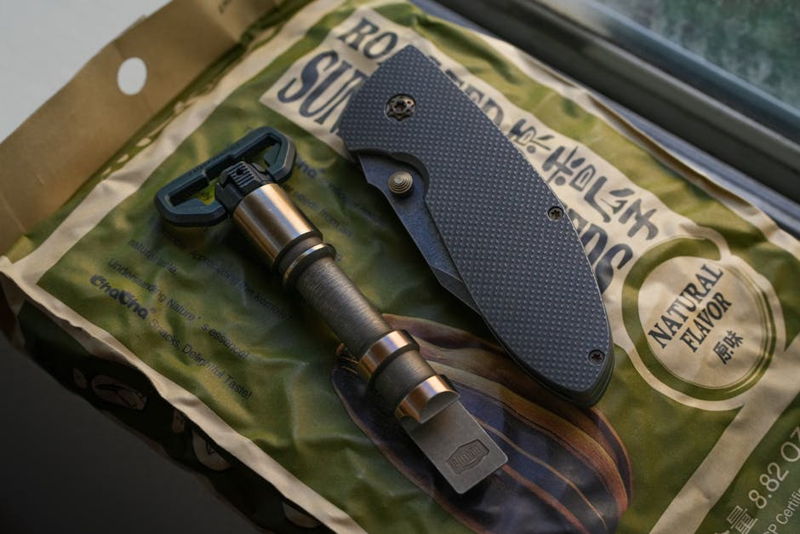
- Pocket vs. belt carry: a tool that can be carried in a pocket or attached to a belt can be more convenient, but may sacrifice size and functionality.
- Balancing functionality and portability: look for tools that balance size and weight with functionality and durability.
Balancing Functionality and Portability
A good survival multi-tool should balance functionality and portability, providing the necessary functions while remaining compact and lightweight. Consider the following factors when evaluating size and weight:
- Tool length and width: a tool that is too large may be cumbersome, while a tool that is too small may lack necessary functions.
- Tool weight: a tool that is too heavy may be difficult to carry, while a tool that is too light may lack durability.
Ease of Use and Accessibility
A survival multi-tool should be easy to use and accessible, even in stressful or emergency situations. Consider the following factors when evaluating ease of use and accessibility:
- One-handed operation: a tool that can be operated with one hand can be more convenient and safer to use.
- Tool locking mechanisms: a tool with a secure locking mechanism can prevent accidental closure or opening.
One-Handed Operation
A good survival multi-tool should be able to be operated with one hand, allowing you to perform tasks while keeping the other hand free. Consider the following factors when evaluating one-handed operation:
- Tool design: a tool with a ergonomic design and comfortable grip can be easier to use with one hand.
- Tool weight: a tool that is too heavy may be difficult to manipulate with one hand.
Safety Features to Look For
A survival multi-tool should have safety features that prevent accidents and injuries. Consider the following safety features when evaluating a survival multi-tool:
- Blade locking systems: a tool with a secure blade locking system can prevent accidental closure or opening.
- Non-slip handles: a tool with a non-slip handle can provide a secure grip, even in wet or slippery conditions.
Blade Locking Systems
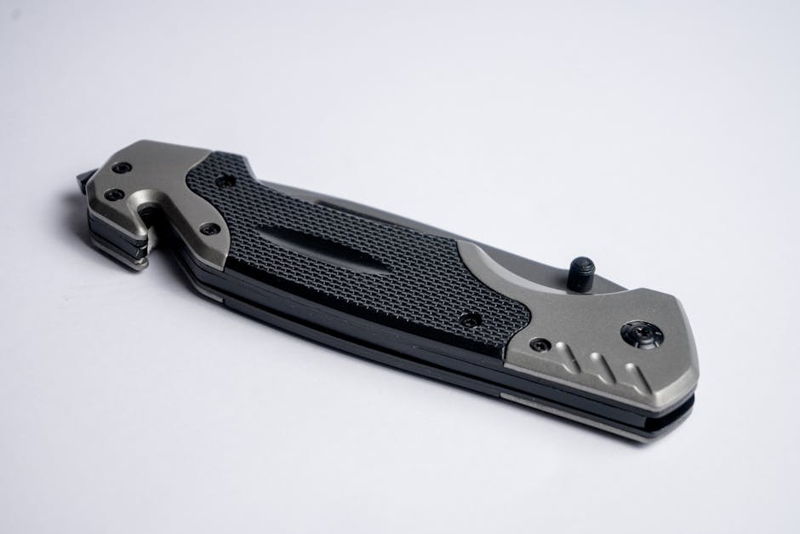
A good survival multi-tool should have a secure blade locking system that prevents accidental closure or opening. Consider the following blade locking systems:
- Liner locks: a liner lock is a type of locking mechanism that uses a spring-loaded liner to secure the blade.
- Frame locks: a frame lock is a type of locking mechanism that uses a spring-loaded frame to secure the blade.
Maintenance and Care Requirements
A survival multi-tool requires regular maintenance and care to ensure it remains functional and effective. Consider the following maintenance and care requirements:
- Cleaning and lubrication: regular cleaning and lubrication can help prevent corrosion and wear.
- Sharpening blades: dull blades can be sharpened to maintain their effectiveness.
Cleaning and Lubrication
A good survival multi-tool should be regularly cleaned and lubricated to prevent corrosion and wear. Consider the following cleaning and lubrication methods:
- Use a soft cloth and mild soap to clean the tool.
- Apply a lubricant, such as oil or wax, to the tool’s moving parts.
Multi-Tool Brands Worth Considering
There are many reputable brands in the survival multi-tool market, each offering a range of tools with unique features and benefits. Consider the following brands when evaluating a survival multi-tool:
- Leatherman: known for their high-quality and durable tools, Leatherman offers a range of survival multi-tools with unique features and benefits.
- Victorinox: famous for their Swiss Army knives, Victorinox offers a range of survival multi-tools with high-quality materials and craftsmanship.
Comparing Multi-Tool Price Ranges
Survival multi-tools can range in price from under $20 to over $200, depending on the quality, materials, and features. Consider the following price ranges when evaluating a survival multi-tool:
- Budget-friendly options: tools under $50 can offer basic functions and materials, but may lack durability and quality.
- Mid-range choices: tools between $50 and $100 can offer a balance of quality, materials, and features, making them a good value for the price.
Real-World Testing and Reviews
Real-world testing and reviews can provide valuable insights into a survival multi-tool’s performance and durability. Consider the following when evaluating real-world testing and reviews:
- User feedback: read reviews from other users to get a sense of the tool’s performance and durability.
- Field test results: look for field test results and reviews from experts and enthusiasts to get a sense of the tool’s performance in real-world situations.
Legal and Travel Considerations
Survival multi-tools can be subject to local laws and regulations, as well as airport and travel restrictions. Consider the following legal and travel considerations when evaluating a survival multi-tool:
- Local knife laws: check local laws and regulations regarding the carry and use of knives and multi-tools.
- Airport and travel restrictions: check airport and travel regulations regarding the carry and use of knives and multi-tools.
Accessories and Customization Options
Survival multi-tools can be customized and accessorized to enhance their functionality and usability. Consider the following accessories and customization options:
- Extra attachments: consider adding extra attachments, such as holsters or pouches, to enhance the tool’s functionality and usability.
- Replacement parts: consider replacing parts, such as blades or screws, to maintain the tool’s performance and durability.
Conclusion and Key Takeaways
In conclusion, choosing the right survival multi-tool requires careful consideration of several key factors, including functionality, materials, and safety features. By following the guidelines and tips outlined in this article, you can select a survival multi-tool that meets your needs and preferences, and helps you stay safe and effective in any survival situation. Remember to always prioritize quality, durability, and functionality when selecting a survival multi-tool, and don’t be afraid to customize and accessorize your tool to enhance its performance and usability.